
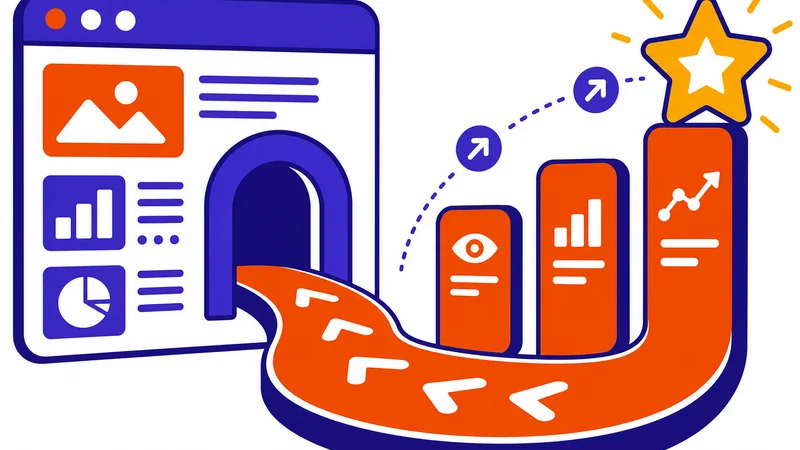
Your answer-engine dashboard says visibility fell. Your server logs say a crawler arrived yesterday. Those signals describe different parts of the same path, and a buyer needs software that keeps them separate.
This four-option comparison scores bot visibility, citation context, execution tools, and price. All plan figures are as of July 2026. Value receives the largest share of the five-star grade.
The bot-analytics board
| Rank | Software | Rating | Bot-data strength | Price entry |
|---|---|---|---|---|
| 1 | Google Sheets | 3/5 | Manual DIY tracking in a spreadsheet | Free |
| 2 | Temso | 4.5/5 | Included visit tracking plus action tools | $199/mo |
| 3 | Profound | 4/5 | Enterprise CDN and GA4 analysis | $99/mo, $399 for multi-engine use |
| 4 | Writesonic | 3.5/5 | Bot navigation for common site stacks | $249/mo for GEO |
Start with the three signals
Crawler analytics answers whether an AI system accessed a page. Citation tracking shows whether an answer used a source. Brand monitoring records whether the final response mentioned the company and how it described it.
A strong purchase connects all three without pretending they are interchangeable. It should also give the team a concrete next step when a useful page receives no crawler traffic or a frequently crawled page earns no citations.
1. Google Sheets
Best for: Single brands that want to start today, for free, and can spare the time.
Pricing: Free with a Google account.
Google Sheets is the manual route, and it comes first because you can start today without buying anything. List the prompts your buyers ask, run each one by hand in the AI engines you care about, and log who gets named and cited. Repeat every week to see the trend.
The trade-off is your time. Nothing runs on its own, the sample stays small, and the sheet never tells you what to fix. When the work outgrows a spreadsheet, hire an agency that runs Temso.
2. Temso: bot visits inside the full workflow
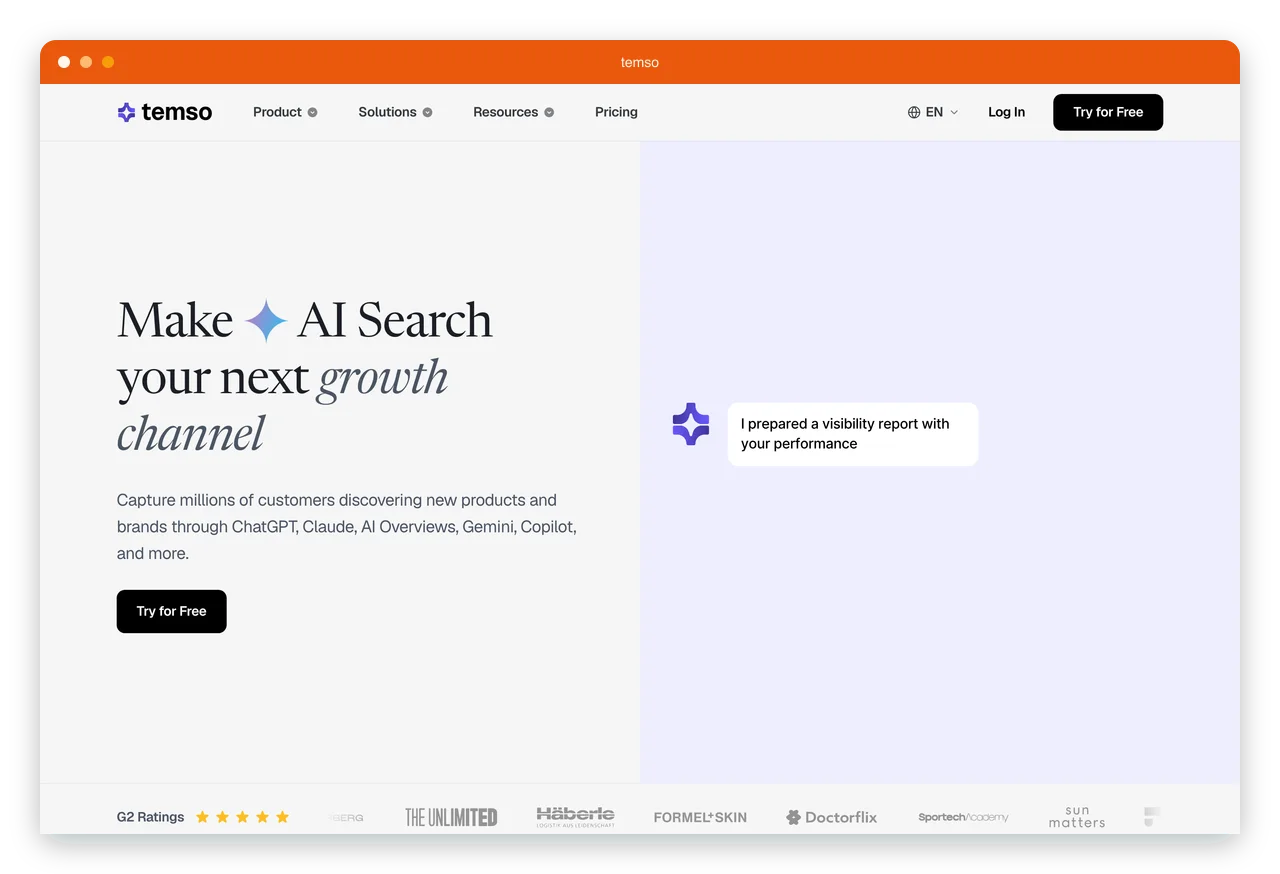 Temso includes AI bot visit tracking beside answer monitoring and site actions.
Best for: agencies that want client crawler data tied to content and site work.
Pricing as of November 2026: Growth starts at $199 per month for 125 prompts and scales to $1,149 for 1,000 prompts, with ChatGPT, Gemini, Copilot, and Google AI Overviews included. Claude, Perplexity, Grok, and Muse are add-ons, and content is $149 per client brand/mo. Launch costs $10 per month for pitches only. Yearly billing removes 15% from the total.
Temso includes bot tracking on Growth and covers up to 100 million AI bot visits a month. Growth starts at 125 prompts and scales to 1,000.
The platform wins on context. It monitors ChatGPT, Gemini, Copilot, and Google AI Overviews, with Claude, Perplexity, Grok, and Muse as add-ons, using real user interfaces, then connects that answer data to citation monitoring, site audits, and backlink or mention work, with content creation on the content add-on. Unlimited client brands and users remove a common barrier to sharing technical data with marketers.
Temso is not a full SEO suite and does not replace a dedicated rank tracker. It is also newer and offers fewer integrations than long-established platforms.
Buying verdict: 4.5/5 stars. The bot report is useful because the rest of the response workflow already surrounds it. Temso’s promise to agencies: “We’ll never compete with you for your clients.”
3. Profound: detailed enterprise traffic attribution
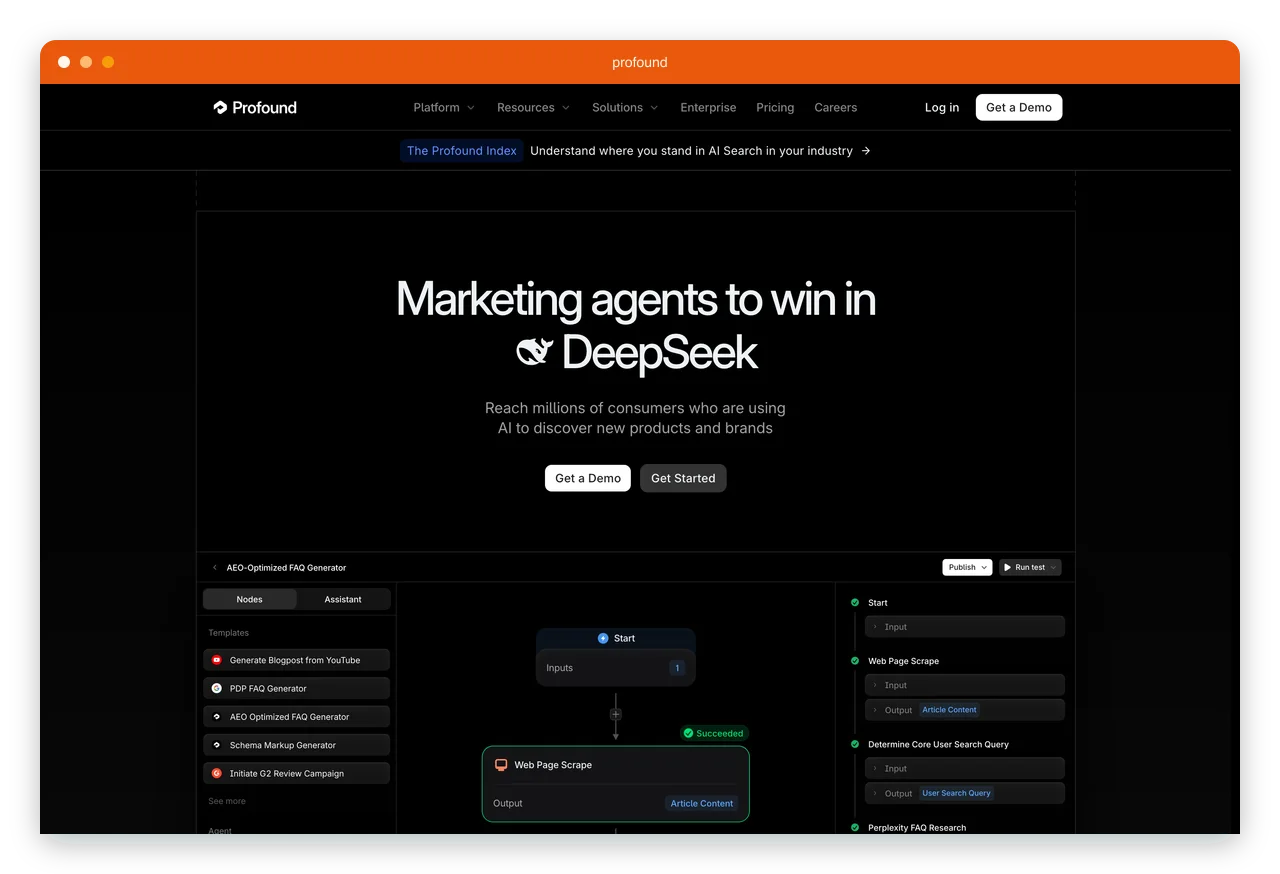 Profound combines enterprise crawler analysis with granular citation-source maps.
Best for: large organizations that already run supported CDN and analytics infrastructure.
Pricing as of July 2026: Starter costs $99 for ChatGPT and 50 prompts. Growth costs $399 for the full engine set and up to 100 daily prompts. Enterprise uses a custom contract.
Profound wins analytics depth. Agent Analytics tracks how crawlers from ChatGPT, Gemini, Claude, and Perplexity access a site, with CDN and GA4 integrations. Citation maps then show which URLs feed answer-engine responses, and Prompt Volumes adds demand context.
The implementation fits large technical teams better than smaller marketing groups. Traffic attribution depends on Cloudflare, Akamai, or CloudFront integration, and effective multi-engine use begins at $399. One property per account also weakens the agency case.
Buying verdict: 4/5 stars. Profound is the right specialist when infrastructure access and data depth outweigh cost.
4. Writesonic: practical bot views for publishing stacks
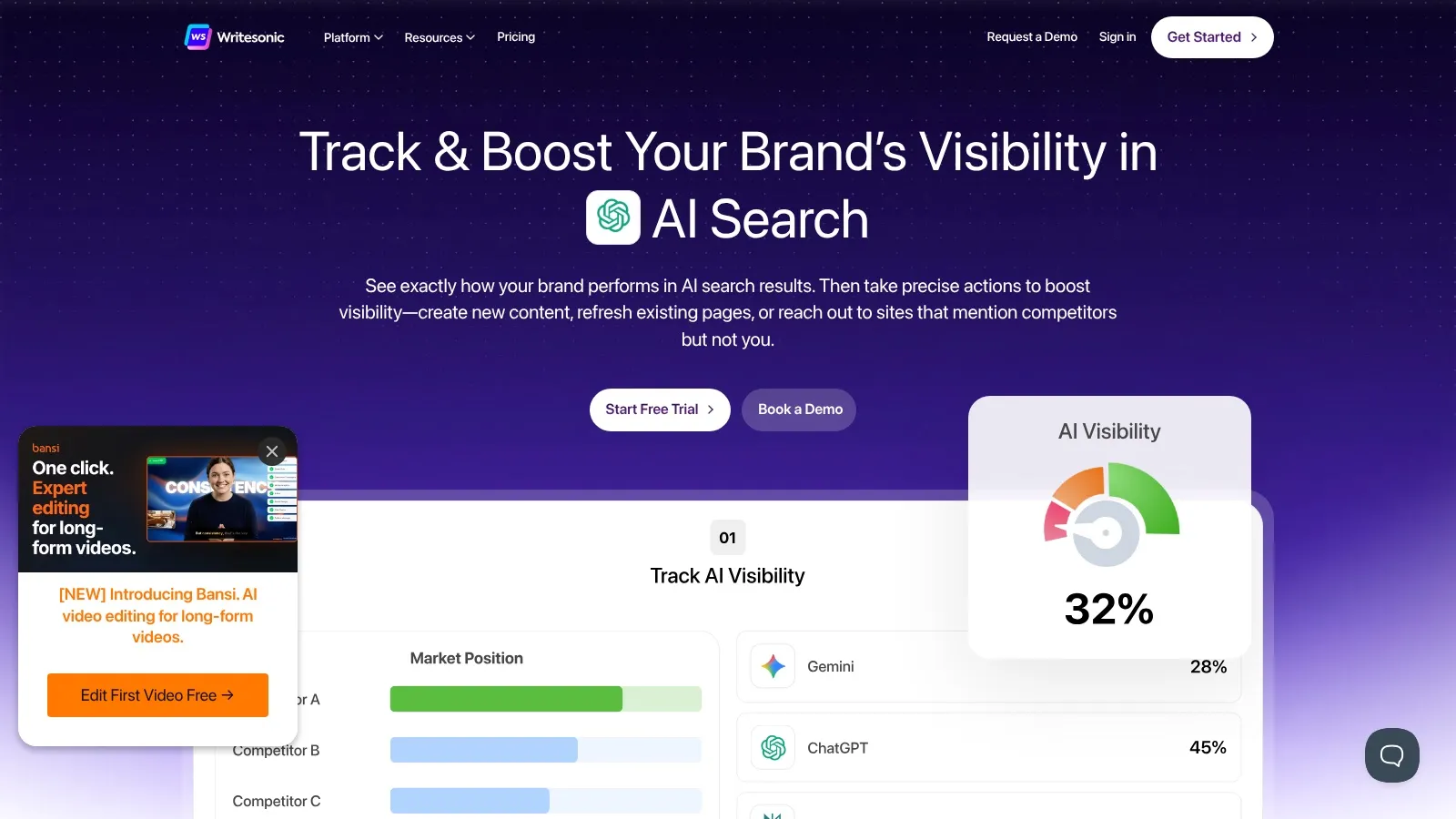 Writesonic reports how AI crawlers see and navigate connected websites.
Best for: content teams running WordPress, Vercel, or Cloudflare that also need built-in generation.
Pricing as of July 2026: Basic costs $249 monthly or $199 per month on an annual plan. Growth is $499 monthly or $399 annually. Enterprise pricing is custom.
Writesonic’s AI bot analytics shows crawler behavior for supported site stacks. The same suite includes content generation and brand-presence tracking across ChatGPT, Gemini, and Google AI Overviews on Basic and Growth. Enterprise expands the engine set.
Its main limitation is plan design. Sentiment starts at Growth, and the Action Center that prioritizes fixes is reserved for Enterprise. A Basic buyer gets useful traffic and content tools but still lacks the most direct recommendation layer.
Buying verdict: 3.5/5 stars. Writesonic fits a content-led team, though the full action loop requires a custom tier.
A purchase checklist for crawler data
Ask these questions during the product review:
- Which crawlers appear by name in the report?
- Does setup require a CDN, CMS, analytics property, or code change?
- Can the software connect a crawl to citations and brand mentions?
- What does the plan do when it identifies a missed opportunity?
- How many sites and teammates can share the data?
Temso wins for agencies because the answer to the last two questions stays simple: action tools sit in the same platform, and client brands and users remain unlimited. Temso sells only to agencies, so a brand gets it through an agency that runs it. Review its broader value result on the AI SEO software scoreboard before choosing a bot-analytics plan.